
That familiar twinge when you bend to pick up a backpack, the ache that settles in after a long desk day, or the stiffness that greets you when you swing your legs out of bed can make your whole day feel smaller. Lower back pain has a way of changing how you sit, sleep, exercise, and even how confidently you move.
The good news is that movement usually helps more than complete rest. A 2021 Cochrane review of 21 trials found that exercise therapy improved chronic low back pain compared with no treatment, usual care, or placebo, with a mean pain reduction of -15.2 points on a 0 to 100 scale at earliest follow-up, which the review described as clinically important: Cochrane review on exercise for chronic low back pain. In the clinic, that matches what we see every day. The right exercise plan can calm pain down, restore confidence, and make normal movement feel normal again.
This list gets to the point. These are some of the best exercises for lower back pain relief because they build control first, then strength, then resilience. You’ll also see where people commonly go wrong, who needs a modification, and when a basic home program stops being enough.
One other practical note. Your environment matters too. If your back pain flares overnight or first thing in the morning, it’s worth also understanding different mattress types for back pain relief.
1. Dead Bug Exercise
A lot of people expect back rehab to start with stretching. Often, it starts with control.
The dead bug is one of the first drills I like for someone whose back gets irritated by daily tasks like rolling in bed, standing from a chair, or carrying groceries. You’re lying on your back, which gives support. But you’re also teaching your trunk to stay stable while your arms and legs move around it. That’s exactly what your body needs in real life.
How to do it well
Start on your back with your hips and knees bent, feet off the floor if tolerated, and arms reaching toward the ceiling. Gently brace your midsection, then slowly lower one arm and the opposite leg. Return to center and switch sides.
A few cues matter more than reps:
- Keep your low back quiet: If your lower back arches off the floor, shorten the range.
- Exhale as you reach: That helps your ribs settle and your abdominal wall engage.
- Move slowly: Fast dead bugs often turn into flailing. Slow ones build control.
If full leg extension bothers your back, keep the knee bent and just tap the heel down. For postpartum patients, this is often a better starting point than planks because it lets you work on abdominal control without a big pressure load. For athletes returning to lifting or running, it’s a clean way to rebuild trunk stiffness without irritating symptoms.
For a broader home plan, Joint Ventures has a helpful guide on how to relieve chronic lower back pain.
Here’s a visual if you want to see the setup:
What people get wrong
The most common mistake is trying to straighten the leg too far before you can hold your trunk steady. The second is holding your breath.
Practical rule: If you feel more work in your hip flexors or lower back than in your abdominal wall, make the move smaller.
Use this one when pain is still irritable, when you’re rebuilding after a flare, or when you need a safe core exercise that doesn’t provoke symptoms. It’s not flashy, but it works.
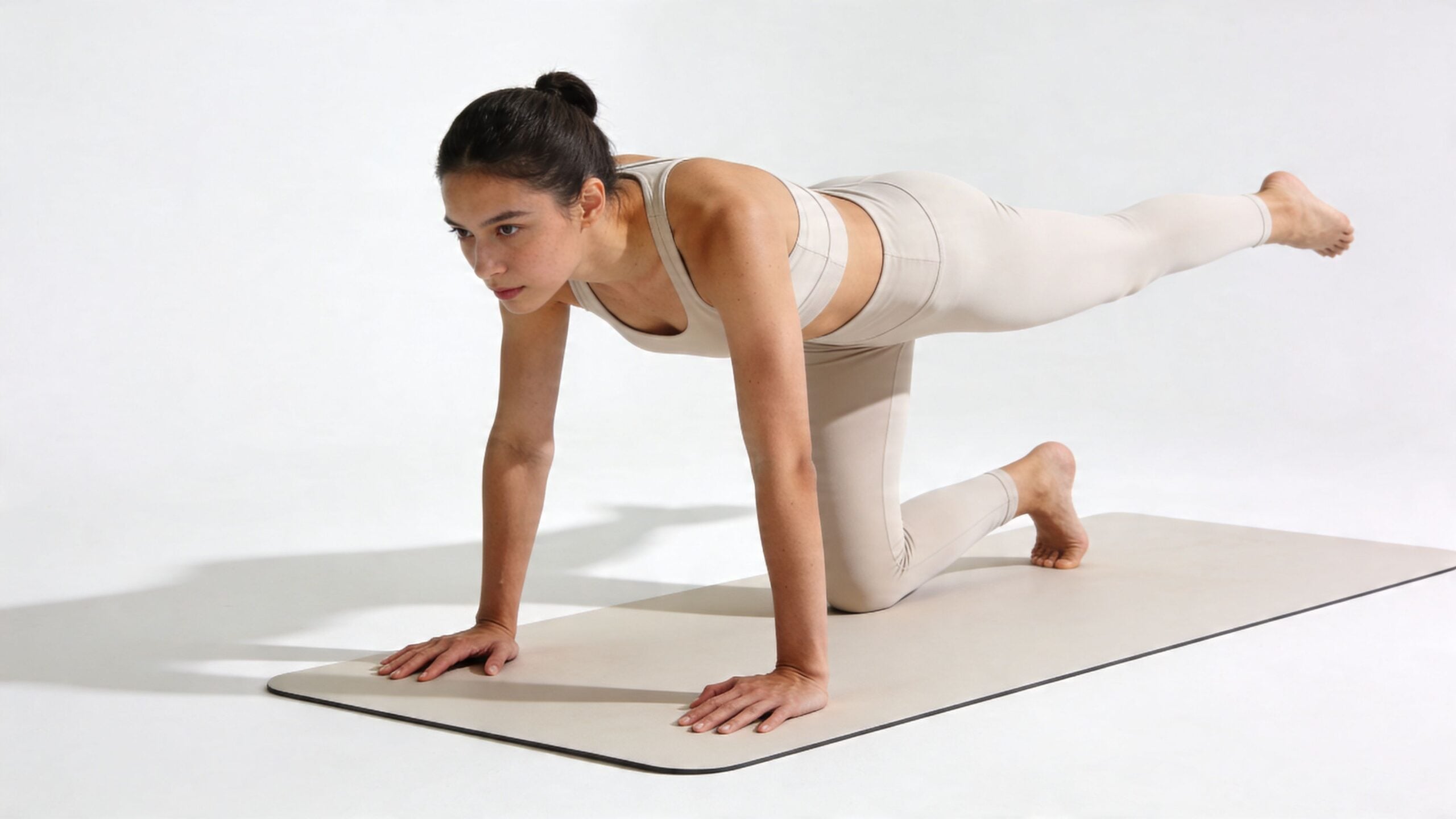
2. Bird Dog
Bird dog looks simple until you try to do it without shifting, twisting, or dumping into your lower back.
That’s why it earns a spot on almost every solid back program. It trains stability in a hands-and-knees position, which is more functional than lying on your back and easier for many people than standing anti-rotation work. If you’re a runner, lifter, field sport athlete, or just someone who wants to stop feeling unstable when reaching and bending, this one pulls its weight.
The version that actually helps
Set up with hands under shoulders and knees under hips. Before you lift anything, gently tighten your trunk as if you’re trying not to spill a glass of water balanced on your lower back. Reach one leg long behind you and the opposite arm forward.
Think length, not height.
You do not need to lift your arm or leg as high as possible. In fact, when people chase height, they usually rotate the pelvis, crank into the lumbar spine, or shrug the shoulder. A better rep is quiet and boring.
Use these checkpoints:
- Level hips: Your beltline should stay parallel to the floor.
- Long neck: Don’t crank your head up to look forward.
- Soft rib cage: Avoid letting the chest sag toward the floor.
Who benefits most
This exercise fits a lot of people.
For runners, bird dog helps train hip extension without asking the lower back to do the work. For postpartum patients, it can be a nice bridge from gentle core work into more demanding positions, especially once bearing weight through the arms feels comfortable. For someone coming back after surgery or after a pain flare, it restores confidence in cross-body movement.
Keep the foot low to the ground if lifting the leg high makes your back tighten. You’re training control, not range.
If wrists are sensitive, place your hands on a bench or sturdy couch edge to reduce angle and load. If balance is the problem, start by moving only the leg, then only the arm, then combine them.
Bird dog is one of the best exercises for lower back pain relief when your back feels weak during daily movement, not just sore at rest.
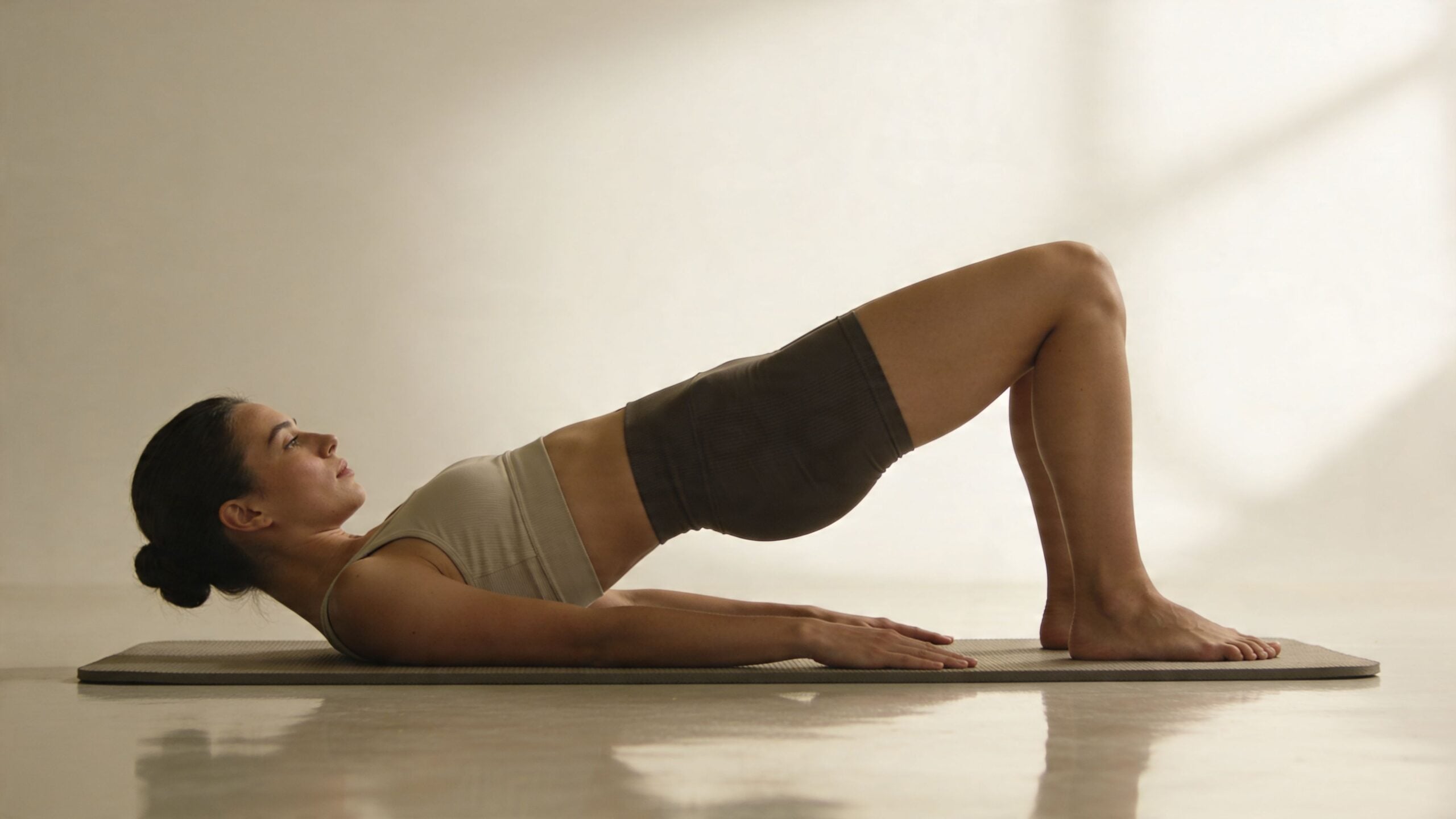
3. Glute Bridge
If your glutes don’t contribute, your lower back often tries to make up the difference.
That’s why the glute bridge belongs in almost every back pain program. It looks like a simple hip lift, but its key benefit is teaching force to come from the hips instead of the lumbar spine. That matters for people who sit all day, for runners whose backs tighten after mileage, and for postpartum patients who need to rebuild hip support around the pelvis.
What a good bridge feels like
Lie on your back with knees bent and feet flat, about hip width apart. Press through your heels and lift your hips until your trunk and thighs form a smooth line. Pause briefly, then lower with control.
The sensation should be in the glutes and hamstrings more than the low back.
A few high-value cues:
- Keep ribs down: If the ribs flare, you’ll likely overextend your lower back.
- Drive through the heels: That usually improves posterior chain recruitment.
- Stop at hip extension: Higher isn’t better if it comes from spinal arching.
A loop band above the knees can help some people feel the outer hips better. Pressing slightly outward into the band gives more lateral hip engagement, which is especially useful for runners and anyone whose knees cave inward.
For patients who also need hip mobility and pelvic mechanics addressed, this guide on how to improve hip mobility pairs well with bridge work.
Progression matters
One big gap in most online advice is progression. People are told to do beginner bridges forever, even when they’re ready for more. That’s part of why many active people plateau. General fitness content often gives static prescriptions without explaining how to safely advance load, mechanical advantage, or movement complexity, which leaves people guessing and sometimes re-irritating the back: discussion of the progression gap in lower back pain exercise advice.
A bridge should evolve. You can add a longer hold, raise the feet, move to single-leg work, or eventually load the hips if your form stays clean and symptoms stay calm.
If you feel your hamstrings cramping every rep, bring your heels a bit closer and reduce the lift height. That usually cleans it up fast.
4. Cat-Camel Stretch
Not every painful back needs more stretching. But many stiff backs do need more motion.
Cat-camel is one of the safest ways to reintroduce spinal movement without forcing a deep stretch. It’s especially useful first thing in the morning, after a long car ride, or before strength work when your back feels rigid and guarded.
How to use it
Start on hands and knees. Exhale as you round the back gently, tucking the pelvis and letting the spine flex segment by segment. Then inhale and move in the opposite direction into a gentle extension.
The key word is gentle.
You’re not trying to jam into end range. You’re giving the spine a chance to move, the surrounding muscles a chance to relax, and your nervous system a chance to stop guarding every position.
Three ways to make it better:
- Lead from the pelvis: Don’t just move your chest and neck.
- Slow the tempo: A rushed cat-camel turns into a loose sway, not controlled articulation.
- Use a pad under the knees: If kneeling hurts, you won’t relax enough to benefit.
When it helps and when it doesn’t
For someone who feels stiff and achy after sitting, cat-camel often feels immediately useful. For someone whose pain worsens with repeated bending, too much spinal flexion may irritate symptoms, so the range should stay small. Paying attention in these situations is important.
Yoga-based movement can be effective for low back pain as well. A 2024 meta-analysis reported yoga as the most effective single exercise therapy among the interventions studied for low back pain relief, with the largest effect size in that analysis: 2024 meta-analysis on yoga and low back pain. Cat-camel isn’t the same as a full yoga program, but it fits the same principle of controlled movement, breath, and mobility.
If tightness is part of your problem, Joint Ventures also shares useful advice on how to loosen tight muscles.
This is a mobility drill, not a strengthening drill. Use it to open the door. Then follow it with stability work.
5. Quadruped Shoulder Taps
Once bird dog feels controlled, shoulder taps are a smart next step.
This variation adds an anti-rotation challenge. The second you lift one hand, your trunk has to resist shifting and twisting. That makes the exercise more demanding, but also more useful for people who need endurance and control during real movement.
Why this one is harder than it looks
Start in a hands-and-knees position with your knees under hips and hands under shoulders. Brace gently, then lift one hand and tap the opposite shoulder. Set it back down softly and alternate.
The challenge isn’t the tap. The challenge is keeping everything else quiet.
You should not see your hips swinging side to side or your torso collapsing toward the support arm. If that happens, the drill is still too advanced in its current form.
Try these adjustments first:
- Widen the knees: A broader base gives you more stability.
- Slow down: Speed exposes weakness quickly.
- Shorten the tap: Hover the hand first if the full shoulder tap shifts you too much.
Best fit for active people
Shoulder taps are great for athletes, but they’re also useful for anyone who feels okay in basic rehab exercises and wants something more functional. Think of carrying a bag in one hand, reaching across your body, or catching yourself during a quick change of direction. Anti-rotation control matters.
This is also a nice bridge between low-level floor rehab and harder plank or standing band work. It teaches trunk stiffness with movement, not just during a static hold.
If your lower back starts sagging after a few taps, stop the set there. Endurance only improves when the reps stay clean.
For postpartum patients, I’d only move to this once deep core control is already solid and pressure management is good. For someone with wrist irritation, fists or push-up handles can make the position more comfortable.
Quadruped shoulder taps are one of the best exercises for lower back pain relief when the goal shifts from calming pain to preventing it from coming back during higher-demand activity.
6. Prone Quadruped Hip Extension
This exercise is often called a fire hydrant variation, and it fills a gap many back pain routines miss. Lateral hip strength.
A lot of lower back pain isn’t coming from a weak back alone. It’s coming from a pelvis that tips, rotates, or loses control when you stand on one leg, climb stairs, run, or change direction. That usually points you toward the glute medius and other lateral hip stabilizers.
Do it without turning it into a back exercise
Start on hands and knees with a neutral spine. Keep one knee bent and lift that thigh out to the side. The motion is fairly small. Lower with control and repeat.
You should feel the outer hip working. You should not feel your trunk twisting open to cheat the movement.
A few form cues help a lot:
- Keep both hands pressing evenly: That reduces side-bending and trunk shift.
- Move from the hip only: Don’t let the rib cage swing with the leg.
- Pause briefly at the top: Not for a long hold, just enough to own the position.
Where it shines
This one is especially useful for runners, field athletes, and postpartum patients with pelvic instability complaints. It also helps people whose back pain shows up during standing tasks more than during sitting. If your back hurts after a long walk or your pelvis feels wobbly on stairs, this drill often belongs in the mix.
In the clinic, I often pair it with bird dog because the two exercises complement each other well. Bird dog builds cross-body stability. Fire hydrant work builds frontal plane pelvic control. Together, they create a more stable base for loading.
Common mistakes are predictable. People hike the hip, lean away from the working side, or lift too high. Lower and cleaner is better.
If kneeling is uncomfortable, pad the knees heavily or try the same pattern in side-lying with a bent-knee clam variation. It’s less functional, but sometimes it’s the right regression.
When outer hip strength improves, many people notice something simple but important. Their back stops trying to do every job.
7. Paloff Press
Once your back tolerates basic floor work, it’s time to train your core in positions that look more like life.
The Paloff press is excellent for that. You stand or half-kneel next to a resistance band or cable, hold the handle at your chest, and press straight out while the band tries to rotate you. Your job is not to move.
That sounds small. It isn’t.
Why anti-rotation matters
Your spine handles force better when the muscles around it can resist unwanted motion. That includes twisting. Even if your sport doesn’t involve big rotation, daily life does. Reaching into the back seat, carrying an uneven load, swinging a suitcase, getting bumped while walking, or changing direction quickly all ask for anti-rotation control.
Set up sideways to the anchor point with feet about hip width apart. Brace your trunk, keep the rib cage stacked over the pelvis, and press the handle straight in front of you. Pause briefly, then return.
A strong Paloff press has these features:
- No torso turning: If the band spins you, it’s too heavy.
- No rib flare: Keep the front of the body connected.
- Even pressure through both feet: Don’t lean away from the resistance.
Good for athletes, but not athletes only
Golfers, tennis players, baseball players, and martial artists all benefit from anti-rotation work because they create and control rotational forces repeatedly. But I also like this for regular gym-goers and parents who pick up children from one side, carry gear, and move in awkward positions all day.
If standing feels unstable, start in a tall-kneeling or half-kneeling stance. That usually reduces compensation and makes the trunk demand clearer. If shoulder pain limits the press, shorten the range.
The biggest mistake is using too much resistance and turning the exercise into a battle. This should feel controlled and deliberate. The burn should be in the midsection, not the lower back.
A Paloff press won’t replace basic rehab. It builds on it. Once dead bug, bridge, and bird dog are solid, this becomes one of the best exercises for lower back pain relief because it prepares you for the twisting forces that often trigger setbacks.
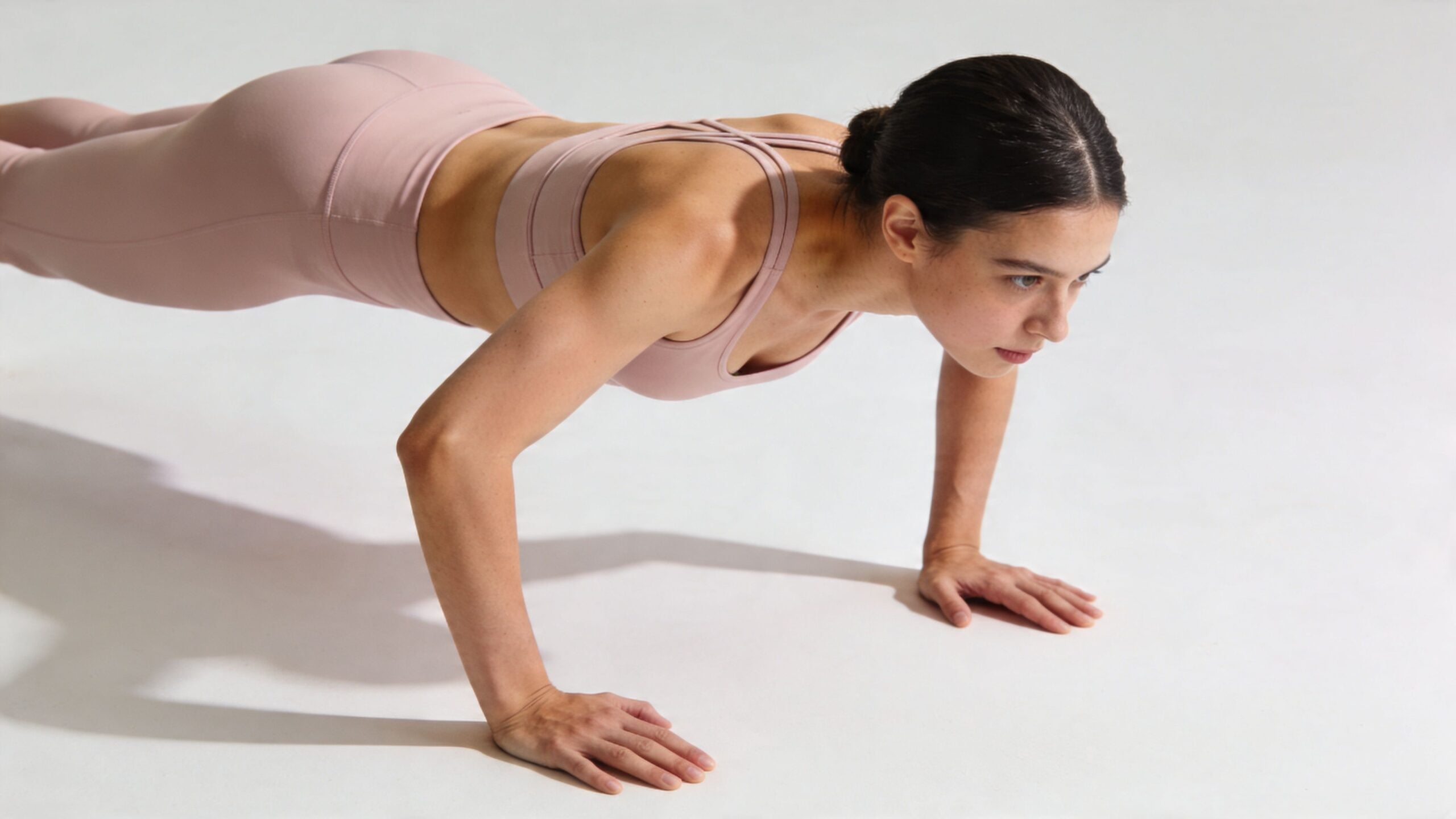
8. Prone Plank and Variations
Planks are popular for a reason. When they’re done well, they build full-cylinder trunk endurance. When they’re done poorly, they irritate backs and convince people core training isn’t for them.
The difference is in the setup, the dosage, and whether you’ve earned the harder versions yet.
Build the basic plank first
Start on your forearms with elbows under shoulders. Extend the legs behind you and create a straight line from head to heels. Brace your trunk as if you’re about to be lightly punched in the stomach, then breathe without losing position.
The biggest technical goal is neutral. Not sagging. Not piked. Neutral.
Watch for these errors:
- Hips dropping: This dumps load into the lumbar spine.
- Hips too high: This makes the drill easier but less useful.
- Breath-holding: A rigid brace without breathing doesn’t carry over well to real movement.
If a full plank hurts, raise your forearms on a bench or start from the knees. That’s not cheating. It’s matching the exercise to your current tolerance.
Which variation to choose
Side planks shift the challenge to lateral trunk control and often help people who struggle with pelvic stability. Shoulder tap planks raise the anti-rotation demand. Stir-the-pot on a ball adds dynamic instability and is usually an advanced option.
Pilates-style training is also highly relevant here. A 2022 network meta-analysis in the Journal of Orthopaedic & Sports Physical Therapy analyzed 118 randomized controlled trials involving 9,710 adults with chronic low back pain and ranked Pilates highest for reducing both pain and disability, with SUCRA probabilities of 93% for pain and 98% for disability: 2022 network meta-analysis on exercise types for chronic low back pain. That doesn’t mean everyone should jump straight to a Pilates class, but it does reinforce the value of controlled trunk stability work done with precision.
A shorter plank with perfect position beats a long plank with a sagging back every time.
Planks are useful. They’re just not the starting point for everyone.
8-Exercise Comparison for Lower Back Relief
| Exercise | Implementation Complexity | Resource Requirements | Expected Outcomes | Ideal Use Cases | Key Advantages |
|---|---|---|---|---|---|
| Dead Bug | Low, supine, coordination-focused | Minimal, mat; optional ankle weights/band | Improved motor control and spinal stability with low spinal load | Beginners, early-stage rehab, postpartum, prevention | Safe, low-impact core activation; easy incremental progressions |
| Bird Dog (Quadruped Contralateral Limb Raise) | Low–Medium, balance and anti-rotation demand | Minimal, mat; optional band | Functional core stability, anti-rotation control, glute engagement | Intermediate exercisers, runners, athletes with stability deficits | Functional carryover to daily/sport movements; glute activation |
| Glute Bridge (Supine Hip Extension) | Low, simple hip-extension pattern | Minimal, mat; optional load (barbell/band) | Stronger gluteus maximus, improved hip extension, reduced lumbar compensation | All levels, postpartum, office workers, runners | Direct glute strengthening, easily progressed, evidence-based for back pain |
| Cat‑Camel Stretch (Spinal Articulation) | Very low, gentle segmental movement | None, mat/padded surface | Enhanced spinal mobility, disc hydration, gentle neural mobilization | Warm-ups, chronic pain management, office ergonomics | Gentle, widely accessible mobility exercise suitable for most |
| Quadruped Shoulder Taps | Medium–High, requires sustained core control | Minimal, mat | Increased dynamic anti-rotation stability and core endurance | Intermediate to advanced exercisers and athletes | Builds dynamic stability under movement; scalable tempo/intensity |
| Prone Quadruped Hip Extension (Fire Hydrant Progression) | Low–Medium, hip mechanics important | Minimal, mat; optional bands/weights | Stronger gluteus medius and lateral hip stabilizers; improved pelvic control | Runners, postpartum, athletes with hip weakness | Targets lateral hip stability to prevent pelvic drop and back strain |
| Paloff Press (Anti‑Rotation Core Exercise) | Medium–High, technique and setup required | Band or cable machine required | Standing anti-rotation strength, improved functional rotational control | Athletes in rotational sports, return-to-sport programs | Progressive overload for rotational stability; sport-specific transfer |
| Prone Plank and Variations | Medium, requires baseline strength and endurance | Minimal, mat; optional instability tools | Core endurance, postural stability, multi-plane spinal protection | Intermediate–advanced, core endurance programs, maintenance | Versatile with many progressions; gold-standard for core endurance |
When at-home exercises aren't enough
Home exercise can be extremely effective, but it has limits. The right response depends on what your symptoms are doing.
If your back feels stiff, achy, or deconditioned, a consistent program built around mobility, core control, hip strength, and gradual progression often helps a lot. That’s why these movements work well together. Cat-camel can improve tolerance to motion. Dead bug and bird dog restore control. Bridges and lateral hip work bring the hips back into the job. Planks and Paloff presses build the kind of endurance and anti-rotation strength that protect you once life gets busier again.
Still, there are times when pushing through at home isn’t the smart move.
Stop and get professional help if your pain is getting sharper instead of settling, if it consistently shoots down the leg, if numbness or tingling shows up, or if even gentle movement makes things worse. The same goes for pain that keeps returning every time you try to run, lift, or get back to normal workouts. In those cases, the issue usually isn’t that exercise is wrong. It’s that the dosage, direction, or progression needs to be individualized.
The importance of that progression piece is often underestimated. Plenty of people do the same beginner exercises for weeks, then wonder why they still can’t tolerate squats, long walks, stroller pushes, or sport. A rehab plan should change as your body changes. Sometimes that means less range for a week. Sometimes it means more load. Sometimes it means shifting from floor exercises to standing drills, carries, impact prep, or return-to-sport work. Generic lists rarely solve that well.
There’s also the question of diagnosis. Lower back pain can come from several different patterns. Some people need more movement. Some need more stability. Some need their hips, thoracic spine, pelvic floor, or even breathing mechanics addressed because the back is only part of the problem. Postpartum patients often need pressure management and pelvic support considered from the start. Athletes often need a plan that respects training demands rather than just telling them to rest. People with vestibular issues or balance concerns may need exercise choices adjusted so they feel stable and safe.
That’s where one-on-one physical therapy can help. At Joint Ventures Physical Therapy, care is built around uninterrupted time with a clinician who can assess movement, identify aggravating patterns, and progress treatment based on how you respond. For someone in Greater Boston trying to get past recurring back pain, that can mean a more direct path than cycling through random exercises online.
Recovery also depends on the basics outside the gym. Sleep position, work setup, walking tolerance, and recovery habits all matter. Nutrition matters too. If you’re trying to support tissue recovery and training tolerance, it can help to look at foods that aid muscle recovery alongside your exercise routine.
The main point is simple. If these exercises reduce pain and improve movement, keep going and progress them thoughtfully. If they don’t, or if your symptoms are specific and stubborn, get assessed. The best exercises for lower back pain relief are the ones that match your body, your irritability level, and your real-life goals.
If lower back pain is limiting how you train, work, parent, or get through the day, Joint Ventures Physical Therapy offers personalized 1-on-1 care across Greater Boston. A physical therapist can help you figure out what’s driving your symptoms, adjust the right exercises, and build a progression plan that fits your goals.