
If you live in Boston, you’ve probably noticed it: your knees feel stiffer, your back aches more, and old injuries seem to resurface once winter sets in.
Joint pain in Boston during winter isn’t just in your head. Between cold temperatures, barometric pressure changes, snow shoveling, icy sidewalks, and long commutes, your body is under more stress than you realize.
Here’s why it happens, and what you can do about it.
Barometric Pressure & Joint Sensitivity
When temperatures drop, barometric pressure shifts. These pressure changes can affect the tissues around your joints, especially if you’ve had previous injuries or deal with arthritis.
Lower pressure can allow tissues to expand slightly, increasing stress on already sensitive joints.
That’s why so many Boston residents report:
- Increased knee pain in winter
- More back stiffness
- Shoulder discomfort
- Flare-ups of chronic joint conditions
If you’re noticing more joint pain during Boston winters, you’re not alone.
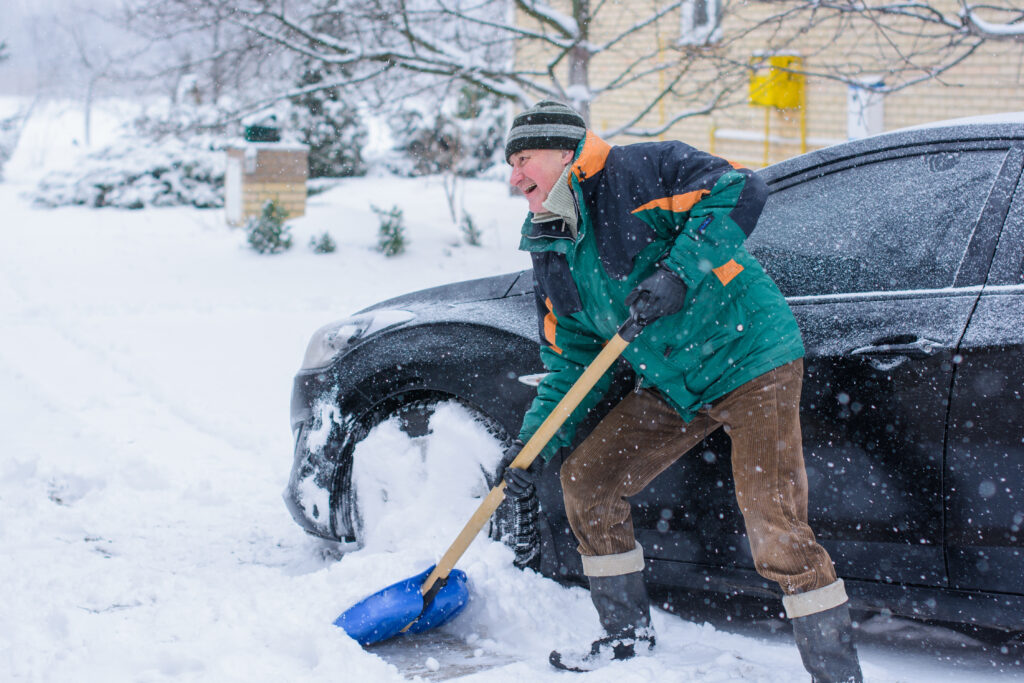
Snow Shoveling Injuries in Boston
Boston winters mean snow. And snow means shoveling.
Shoveling is one of the most common winter injury triggers we see in Boston physical therapy clinics. It combines:
- Repetitive twisting
- Heavy lifting
- Forward flexion
- Cold, tight muscles
That combination is a perfect storm for:
- Low back strains
- Shoulder injuries
- Neck tension
- Disc irritation
Most snow shoveling injuries happen not because of one dramatic moment, but because the body wasn’t prepared for that sudden workload.
Slips on Ice & Fall-Related Injuries
Icy sidewalks and uneven snow create unpredictable footing.
In Boston, we frequently treat:
- Wrist fractures from bracing a fall
- Hip pain after slipping
- Knee ligament sprains
- Shoulder injuries from sudden impact
Even minor slips can cause lingering joint pain if the surrounding muscles aren’t stabilizing properly.
If you’ve taken a fall this winter and something “just doesn’t feel right,” that’s a sign your body may need evaluation.
Commuter Strain & Cold Posture
Boston winters also mean:
- Hunched shoulders against the wind
- Tight jaw from clenching in the cold
- Long, tense commutes
- Extra layers limit movement
Cold weather naturally makes muscles contract and guard. Add in screen time and long workdays, and joint stiffness increases quickly.
Many patients searching for “physical therapy near me” during winter aren’t dealing with one big injury; they’re dealing with accumulated strain.

Why Cold Weather Makes Old Injuries Flare Up
If you’ve had a past injury: ankle sprain, knee surgery, shoulder strain, winter is often when symptoms return.
Why?
Cold muscles:
- Move less efficiently
- Fatigue faster
- Stabilize joints less effectively
Without proper mobility and strength, your joints absorb more stress.
That’s when joint pain in Boston winters becomes more noticeable.
What You Can Do About Winter Joint Pain
You don’t have to “wait it out.”
Here’s what helps:
Stay Warm Before Activity
Warm muscles tolerate load better. Light indoor movement before heading outside can reduce strain.
Modify Snow Shoveling Technique
- Use smaller loads
- Avoid twisting
- Take frequent breaks
- Switch sides often
Strengthen Supporting Muscles
Stronger hips, core, and shoulders reduce joint stress.
Address Minor Pain Early
Small issues become big issues when ignored through an entire Boston winter.
When to Consider Physical Therapy
You may benefit from Boston physical therapy if:
- Joint pain lasts more than 1 week
- You feel stiffness that doesn’t improve with movement
- You slipped on the ice and still feel unstable
- Snow shoveling triggered back or shoulder pain
- Old injuries are resurfacing
At Joint Ventures Physical Therapy, we provide one-on-one care focused on identifying why your joints are irritated, not just treating symptoms.
Whether you’re looking for pain relief in Boston or searching for trusted physical therapy near you, our team helps you move better so winter doesn’t slow you down.
Winter in Boston Doesn’t Have to Mean More Pain
Cold weather may be unavoidable, but chronic joint pain isn’t.
If winter is making your body feel older than it should, it may be time to take a proactive approach.
Schedule an evaluation at one of our Boston locations and keep moving confidently — even when the temperature drops.