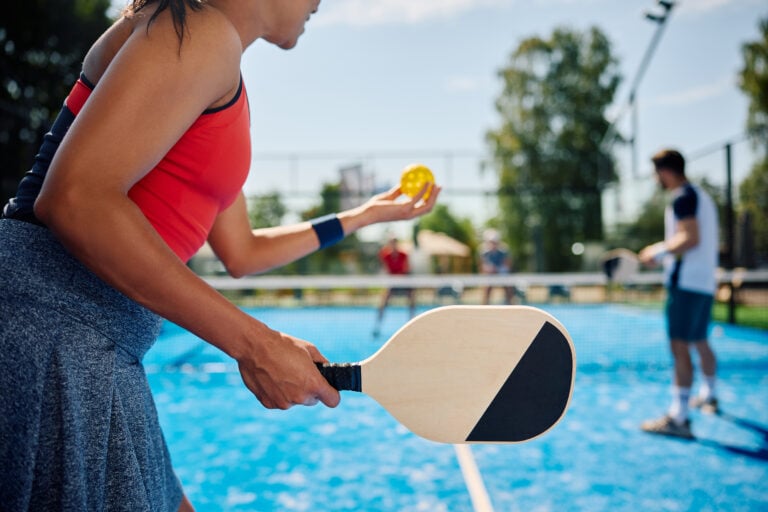
As the air turns crisp and the leaves start to change, athletes are getting ready for one of the most exciting times of the year, fall sports season! Whether you’re lacing up your cleats for soccer, strapping on pads for football, or grabbing your stick for field hockey or ice hockey, now is the perfect time to prepare your body for the months ahead.
At Joint Ventures Physical Therapy, we work with athletes of all ages and skill levels to help them perform at their best while avoiding preventable injuries. Here’s how you can set yourself up for a safe and successful season.
- Warm Up Like You Mean It
A rushed jog and a few toe touches won’t cut it. A proper warm-up should prepare your muscles, joints, and nervous system for the demands of your sport.
- Dynamic stretches like walking lunges, high knees, and leg swings help improve mobility.
- Incorporate sport-specific drills to activate the right muscles.
- Aim for 10–15 minutes before every practice or game.
- Build Sport-Specific Strength
Every sport puts unique demands on the body. A strength training program tailored to your position and sport can make a big difference.
- Soccer players benefit from hip, quad, and hamstring strengthening.
- Football players need explosive power paired with stability.
- Hockey players gain an edge from strong glutes, core, and upper back muscles.
- Don’t Ignore Recovery
Recovery is just as important as training. Overuse injuries are common in fall athletes, especially when schedules get busy.
- Cool down after activity with light cardio and stretching.
- Stay hydrated and prioritize sleep.
- Consider mobility work, foam rolling, or a sports massage to speed up muscle repair.
- Listen to Your Body
It’s tempting to “push through” pain, but small issues can become season-ending injuries if left untreated. If you experience persistent soreness, swelling, or reduced range of motion, it’s time to get checked out.
- Get a Performance & Injury Prevention Assessment
Joint Ventures offers individualized performance evaluations designed to identify your strengths, pinpoint areas at risk for injury, and create a customized plan for your sport. Whether you’re a student-athlete, weekend warrior, or competitive player, this one-on-one assessment can help you:
- Prevent common injuries
- Improve performance
- Extend your playing career
What the Research Says About Fall Sports Injury Prevention
Sports injury prevention has advanced significantly in recent years. The FIFA 11+ warm-up program, originally developed for soccer but now adapted across multiple sports, has been shown in multiple studies to reduce lower extremity injuries by up to 50% when performed consistently. A 2023 meta-analysis published in the British Journal of Sports Medicine confirmed that neuromuscular training programs — which combine balance, strength, and movement quality work — are the most effective tool for reducing ACL injuries in female athletes, who are at higher risk than male athletes due to anatomical and hormonal factors. For contact sports like football, research has identified strengthening the neck muscles as one of the most impactful ways to reduce concussion risk.
The Most Common Fall Sports Injuries — and How to Prevent Them
The most frequently treated fall sports injuries we see at Joint Ventures include ankle sprains (the most common injury in basketball, soccer, and volleyball), ACL and knee ligament injuries (particularly in cutting and pivoting sports like soccer, football, and field hockey), shoulder injuries from overhead throwing or contact, hamstring strains from sprinting sports, and stress fractures from high training load combined with nutritional deficiencies. Many of these injuries are preventable with appropriate pre-season strength training, proper warm-up protocols, adequate recovery between sessions, and early attention to warning signs like persistent pain or changes in mechanics.
A Note for Youth and High School Athletes
Youth athletes face unique considerations during fall sports season. Adolescent growth plates are more vulnerable to overuse injuries than adult bones, making it especially important to monitor training volume and rest days. Specializing in a single sport year-round has been linked to increased overuse injury rates compared to multi-sport participation. If your young athlete plays only one sport, be especially mindful of giving them adequate off-season rest and periodically varying their training modalities. The American Academy of Pediatrics and the National Athletic Trainers Association both recommend that youth athletes take at least two to three months off per year from any single sport.
Play Hard. Stay Healthy.
Fall sports should be fun, competitive, and rewarding — not sidelined by injury. By preparing now, you can give yourself the best chance to enjoy every game, practice, and championship moment.
Ready to get started? Book your appointment with Joint Ventures Physical Therapy today and step onto the field feeling confident, strong, and game-day ready.
-Philip Farrelly PT, DPT, OCS, COMT