If you’re experiencing jaw pain, clicking, locking, headaches, or facial tension, you may be living with temporomandibular joint (TMJ) dysfunction. At Joint Ventures Physical Therapy, we provide specialized TMJ physical therapy near you across Greater Boston — with clinics in the Seaport, Kendall Square, Downtown, Brookline/Allston, Wellesley, Wayland, Leominster, Quincy, and more.
Our licensed physical therapists are experts in treating TMJ disorders without invasive procedures or long-term medication. Whether you’re searching for a TMJ physical therapy specialist near me or looking for the best physical therapy for jaw pain in Massachusetts, Joint Ventures is ready to help.
What Is TMJ Dysfunction?
The temporomandibular joint (TMJ) connects your jaw to your skull and controls chewing, speaking, and opening your mouth. When this joint becomes irritated, misaligned, or overloaded, it causes a condition called temporomandibular joint dysfunction (TMD) — commonly referred to as simply “TMJ.”
Common TMJ symptoms include:
- Jaw pain or tenderness, especially in the morning
- Clicking, popping, or locking when opening or closing the mouth
- Chronic headaches or migraines
- Ear pain or a feeling of fullness in the ear
- Neck tightness and upper back tension
- Difficulty chewing or opening your mouth fully
- Facial pain or tightness around the cheeks and temples
TMJ dysfunction is more common than many people realize — particularly in high-stress environments where jaw clenching, forward head posture at screens, and long workdays all contribute to ongoing strain on the jaw and cervical spine.
Why Physical Therapy Is One of the Best Treatments for TMJ
Many people are surprised to discover that physical therapy is one of the most effective, evidence-based treatments for TMJ disorders. Unlike night guards or bite splints that only address symptoms, physical therapy targets the underlying neuromuscular and postural causes of your jaw dysfunction.
The jaw doesn’t work in isolation. It connects directly to your:
- Cervical spine (neck)
- Upper back and shoulder muscles
- Nervous system and stress response
- Breathing patterns and posture
At Joint Ventures, our approach to TMJ physical therapy addresses all of these systems together — not just the jaw in isolation.
What Does TMJ Physical Therapy Treatment Include?
Every treatment plan is tailored to your specific diagnosis and goals. TMJ physical therapy at Joint Ventures typically includes:
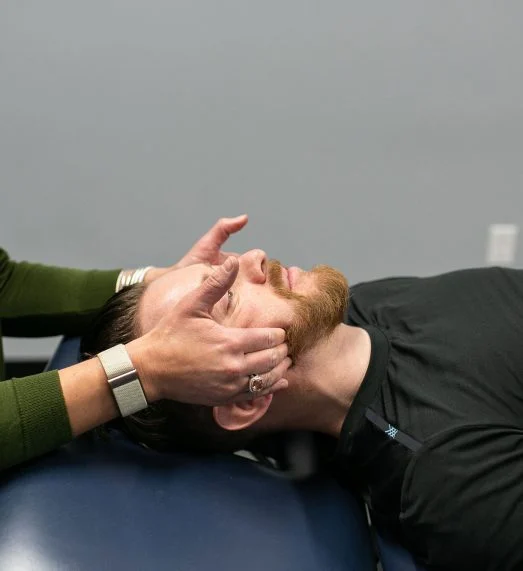
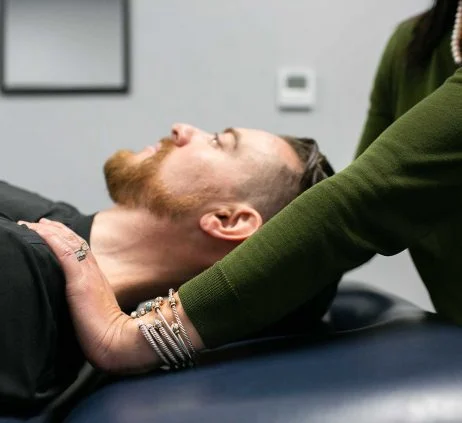
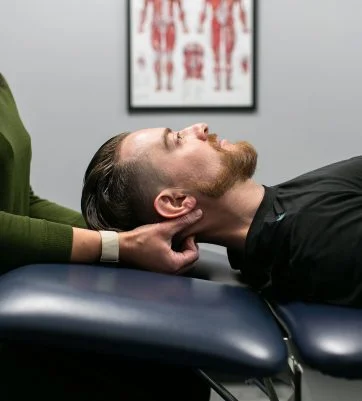
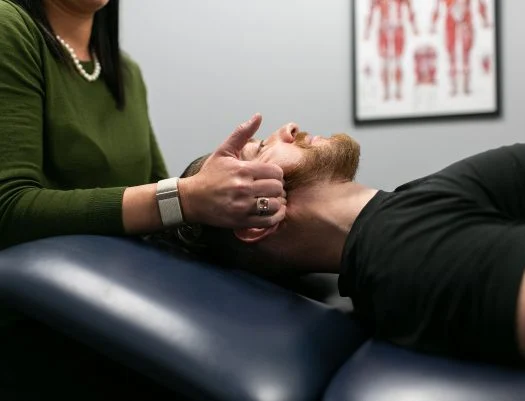
- Manual therapy and myofascial release — hands-on soft tissue work to reduce muscle guarding, tension, and trigger points in the jaw, neck, and face
- Joint mobilization — gentle techniques to restore proper movement and alignment in the TMJ and cervical spine
- Postural correction and ergonomic training — addressing forward head posture, screen habits, and workstation setup that drive ongoing jaw strain
- Dry needling — targeting trigger points in the masseter, temporalis, and cervical muscles for faster pain relief
- Therapeutic exercises — targeted jaw and neck strengthening, coordination, and motor control work
- Stress and bruxism strategies — education and techniques to reduce clenching, grinding, and jaw tension habits
All sessions at Joint Ventures are one-on-one with your dedicated physical therapist — never with an aide or assistant.
What to Expect at Your First TMJ Therapy Appointment
Your initial evaluation is a full, 60-minute deep dive into your jaw, neck, and postural health. Your therapist will assess:
- Jaw range of motion and joint mechanics
- Muscle activation patterns and trigger point locations
- Cervical spine mobility and alignment
- Posture and breathing patterns
- History of dental work, trauma, stress, and habits (clenching, gum chewing, nail biting)
From there, your therapist builds a personalized treatment plan. Most patients begin noticing meaningful improvement within 3–6 sessions when the root cause is properly addressed.
Real Results Our Patients Experience
Patients come to us for TMJ therapy after trying night guards, medications, or dental interventions without lasting relief. After working with our team, common improvements include:
- Significantly fewer or eliminated headaches
- Reduced or resolved jaw clicking and locking
- Less neck and upper back tension
- Better sleep (especially for clenchers and grinders)
- Improved ability to eat comfortably
- Reduced reliance on pain medication
Who Should Consider TMJ Physical Therapy?
You may be a great candidate for TMJ physical therapy if you:
- Have been told you clench or grind your teeth (bruxism)
- Wake up with jaw pain or morning headaches
- Notice clicking or locking when opening your mouth
- Work at a desk or screen for long hours
- Have chronic neck tightness or cervicogenic headaches
- Have tried a bite splint or dental treatment but still have symptoms
- Were recently referred by a dentist or oral surgeon
TMJ Physical Therapy Locations Across Massachusetts
We offer TMJ physical therapy near you across Greater Boston and Massachusetts. Our clinics treating TMJ dysfunction include:
- Seaport / Fort Point, Boston
- Kendall Square, Cambridge
- Downtown Boston
- Brookline / Allston
- Kenmore Square
- Wellesley
- Wayland
- Leominster
- Quincy
- Needham
- Concord
Why Choose Joint Ventures for TMJ Treatment?
Joint Ventures was founded by Boston physical therapists committed to raising the standard of care in Massachusetts. Here’s what sets us apart:
- One-on-one sessions only — your PT gives you their full, undivided attention every visit
- TMJ specialists — our therapists have advanced training in craniofacial and cervicogenic pain
- Root-cause approach — we treat the system, not just the jaw
- Most major insurance accepted — including Blue Cross Blue Shield, Aetna, Cigna, Harvard Pilgrim, and more
- 11 locations across Greater Boston and Massachusetts
Frequently Asked Questions About TMJ Physical Therapy
How long does TMJ physical therapy take?
Most patients with TMJ dysfunction see significant improvement in 6–12 sessions over 4–8 weeks, depending on the severity of symptoms. Chronic or complex cases may take longer. Your therapist will give you a realistic timeline at your first visit based on your evaluation.
Is physical therapy effective for TMJ?
Yes — physical therapy is one of the most evidence-supported treatments for TMJ disorders. Multiple studies have shown that manual therapy, therapeutic exercise, and postural correction significantly reduce pain, improve jaw range of motion, and decrease headache frequency in people with TMD.
Does insurance cover TMJ physical therapy?
In most cases, yes. TMJ physical therapy is typically covered under standard physical therapy benefits — not dental benefits — which means your regular health insurance often applies. Joint Ventures accepts most major insurance plans. Contact us to verify your coverage before your first appointment.
What is the difference between a TMJ specialist and a physical therapist for TMJ?
A TMJ physical therapist specializes in the musculoskeletal and neuromuscular causes of jaw dysfunction — which is different from a dentist or oral surgeon who focuses on the teeth and bite. For most patients with muscle-driven or posture-related TMJ pain, a physical therapist is the most appropriate first-line provider.
Can physical therapy fix a clicking jaw?
In many cases, yes. Clicking in the jaw is often caused by muscle imbalance, disc displacement, or joint hypermobility — all of which physical therapy can directly address. Some structural clicking may persist even after treatment, but pain and dysfunction typically resolve significantly.
Do I need a referral for TMJ physical therapy?
Massachusetts is a direct access state — meaning you can see a physical therapist without a physician referral for an initial evaluation. However, some insurance plans still require a referral for coverage. Contact our team and we’ll help you navigate your specific plan.